The Most Common Dental Emergencies and How to Prevent Them
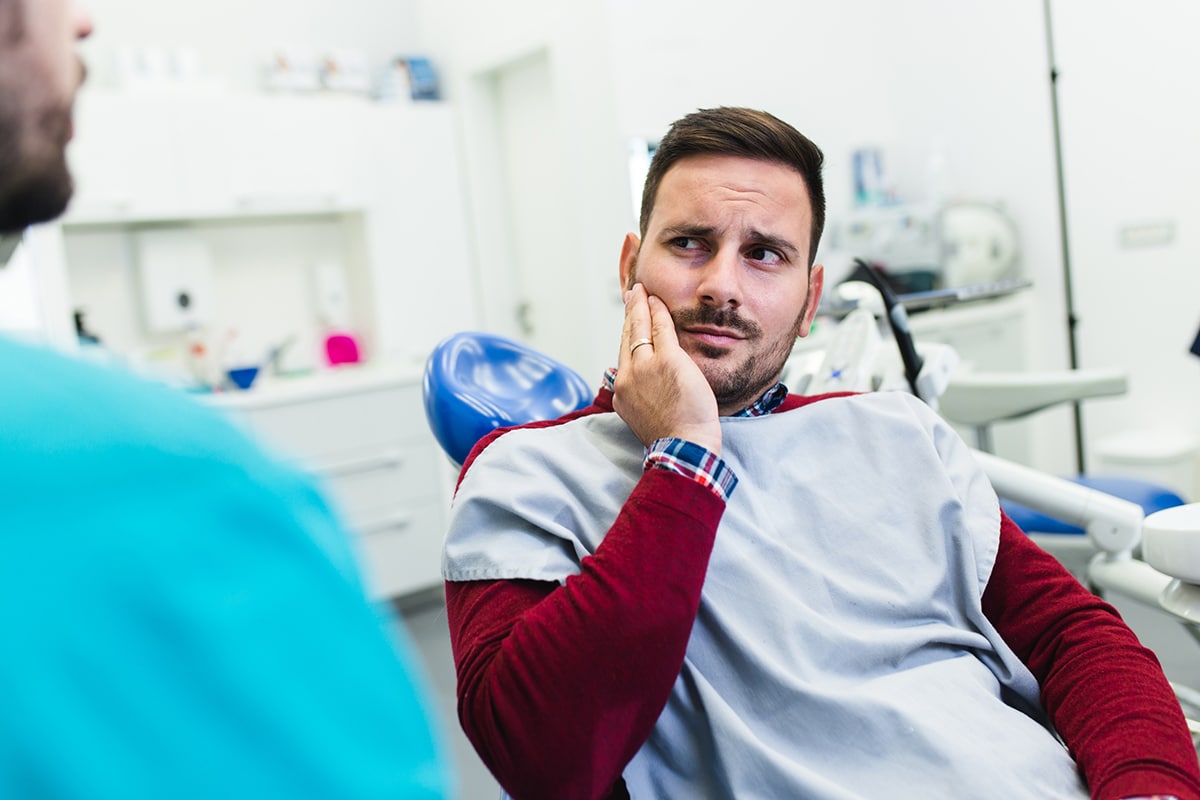
A dental emergency can be frightening and at the very least, stressful. You have to drop everything and rush to the dental office. There’s pain and suffering and emotional turmoil. And then later you get the bill, which can be shocking with or without insurance.
What if you could avoid all of that? Not all emergencies can be prevented, but there are steps you can take to reduce you and your family’s risk of urgent dental situations. Knocked out or broken teeth, toothaches, and many other dental emergencies can often be avoided. Find out what you can do to protect the smiles you love.
What Is Considered a Dental Emergency?
A dental emergency is any situation that requires immediate treatment. A dental emergency can’t wait until the next day, even if the dental office is closed. In cases of severe pain, trauma, infection, or sudden damage, you should seek immediate dental care. The sooner it is treated, the better the outcome for your oral health.
Toothaches and Dental Infections
If you’ve ever had a toothache, you understand the excruciating pain it causes. It’s not something that can be ignored, and over-the-counter pain medication will barely touch it. In most cases a toothache is caused by an infection inside the tooth. The soft tissue at the center of each tooth, called dental pulp, can develop infection through a deep cavity or a cracked tooth. It will most likely need root canal treatment.
Soft tissue infections can also be extremely painful. Gum disease is bacterial infection of the gums that can lead to the development of abscesses, pimple-like bumps filled with pus. Sores in the mouth can easily become infected as well, requiring treatment.
Preventing dental infections is possible with regular exams every 6 months, allowing for early detection and treatment. Daily oral hygiene is also essential. Brushing twice a day and flossing once a day helps to maintain your oral health and reduce your risk of infection.
Chipped, Cracked, or Broken Teeth
Another common dental emergency is a chipped, cracked, or broken tooth. This may be caused by an accident, such as a fall or a sports injury. Chewing hard foods or using your teeth as tools to open containers or remove tags can also result in damage. Chronic teeth grinding gradually weakens teeth, increasing the risk of cracks and fractures.
The best way to avoid these types of dental injuries is to wear a mouth guard when playing sports and a night guard if you grind your teeth. Avoid chewing ice and biting hard candy. Never use your teeth for anything other than eating.
Knocked Out Teeth and Dental Trauma
Sports injuries and accidents like falls can result in teeth that are knocked out or loosened. Prompt treatment, especially for knocked out teeth, is crucial. The sooner a knocked out tooth can be reinserted, the better the chances that it can be saved. Loose teeth need to be stabilized to allow for healing of the support structures.
Protecting your teeth with sports mouth guards can prevent knocked out or loosened teeth. Falls and accidents can’t always be avoided, but careful and cautious behavior can reduce the risk.
Lost Fillings, Crowns, or Dental Restorations
Restorations can come loose or fall out, resulting in discomfort. When a filling or crown comes off it leaves the nerves exposed, resulting in severe sensitivity or pain. Prompt treatment is needed to replace lost restorations to relieve discomfort.
Proper maintenance of dental work can reduce the risk of damage, as well as good oral hygiene to keep the natural teeth clean and healthy. Avoid sticky or hard foods that can loosen fillings and crowns.
How Preventive Dental Care Reduces Emergency Visits
Proactive care is preferable to reactive care when it comes to dental emergencies. Preventing toothaches, knocked out teeth, and loose dental restorations is possible with the tips provided above. Preventive dental care reduces emergency visits through oral health maintenance and early detection of potential problems. Routine cleanings remove plaque and tartar that cause tooth decay and weakening of the enamel. Dental X-rays detect cavities and cracks that could lead to dental emergencies. The truth of the matter is that people who prioritize routine dental care have fewer emergency visits.
Contact Kalmar Family Dentistry
In case of a dental emergency, call 631-673-0670. Kalmar Family Dentistry is open on weekends and there is always a dentist on call to respond to emergencies after hours. We are here to provide the treatment and support you need.
For non emergencies, contact us at Kalmar Family Dentistry today to schedule an appointment and take the first step toward better oral health.
Frequently Asked Questions About Dental Emergencies
When should I go to the dentist for a toothache?
If pain is severe, persistent, or accompanied by swelling or fever, it is important to seek dental care as soon as possible.
Can dental emergencies be prevented?
Many emergencies can be avoided with regular dental visits, good oral hygiene, and protective measures like mouthguards during sports.
Kalmar Family Dentistry provides comprehensive dental care for patients of all ages in a comfortable, welcoming environment. Our team focuses on preventive, restorative, and emergency dentistry to help families maintain healthy, confident smiles for life. Contact us today to schedule an appointment.